
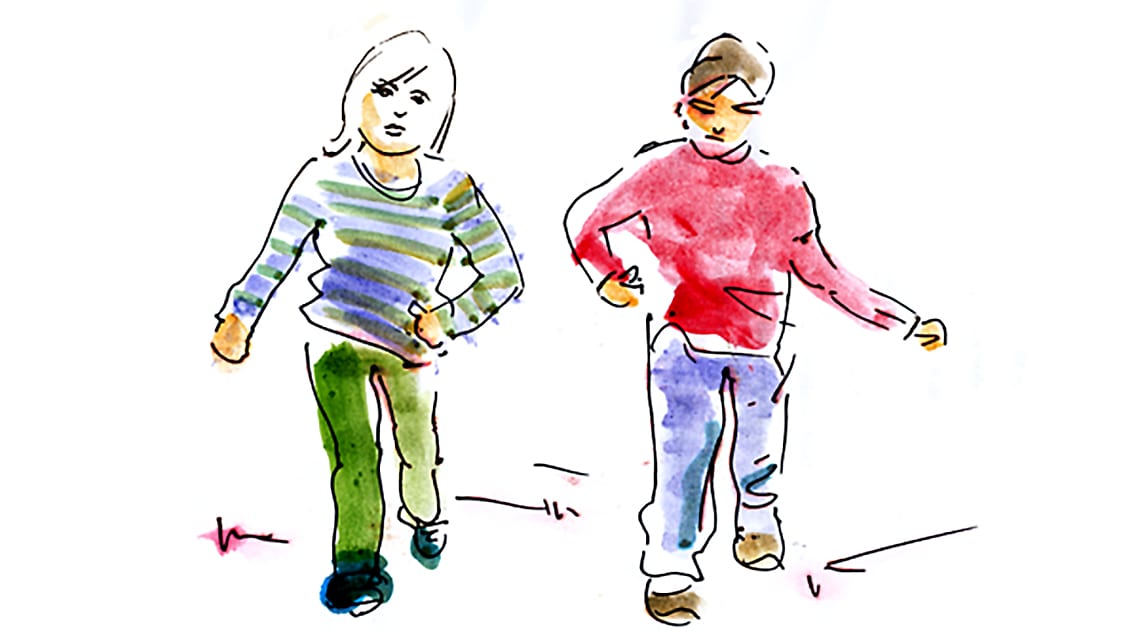

Welcome to a course about how to do learn-talks. This is a way to discover the strengths and learning strategies of your students. The course includes short texts, videos and examples of interviews with students. The information will help you to know how to approach, guide and advise students in their road to learning and understanding.
Innehåll
Del 1 av 10
Welcome to Eureka Moments for Teachers
Welcome to the course Eureka Moments for Teachers. You will see and learn how to do a brief Learn Talk (metacognition interview) with your students. You will see how to make a Strength Star with your students. We will be discussing broad, important topics like motivation, metacognition, higher purpose, learning, and teaching in ten 5-8 minute mini-lectures. You will see examples of Learn Talks with John, your course leader, and guide. This course is video-based. There are no quizzes, diplomas, or requirements other than to encourage you to follow along and discuss your thoughts and learnings with your colleagues. Follow along at your own pace. Once you’ve joined it will be there as long as teachable.com is here. Of course, I’d appreciate you sharing the links to this course with other teachers and principals.
There are two types of videos. The first video is the mini-lecture for the lesson. The second (not in every lesson) is an example of a Learn Talk with a student. Let’s get started and may this lead to more Eureka Moments for you as an educator – and for your students.
A few words about your guide and course leader – that’s me. Ph.D. in educational psychology from Uppsala University in Sweden, but have a background from the USA (U.Michigan and U.Massachusets for M.Ed). My life theme is Empowerment and my major effort is to change the paradigm of education from hunting weaknesses to hunting strengths, talents, and the student’s learning strategies.
Let’s get started. Below is the introductory video.
Del 2 av 10
Higher Purpose
This lesson is about putting words on your higher purpose as an education. This may sound abstract, but understanding and communicating your higher purpose will help you understand the philosophy and methods of this course – and help you achieve your higher goals as an educator.
Below is the video for lesson 2.
The first example of a Learn Talk is with Tavish. Just try to get a sense of what I’m doing and the model that is in my head! It’s not at all complicated and certainly not revolutionary. I lwant it to be simple – but simple does not always mean easy. You need to understand the philosophy behind this and then the model, which is what this course is all about. See how Tavish has already figured out strategies for learning and getting from A to B. He didn’t need much help from me, so much of the conversation is just confirming what he already does well – and that’s part of the purpose, to see, affirm and confirm strategies.
Del 3 av 10
Metacognition
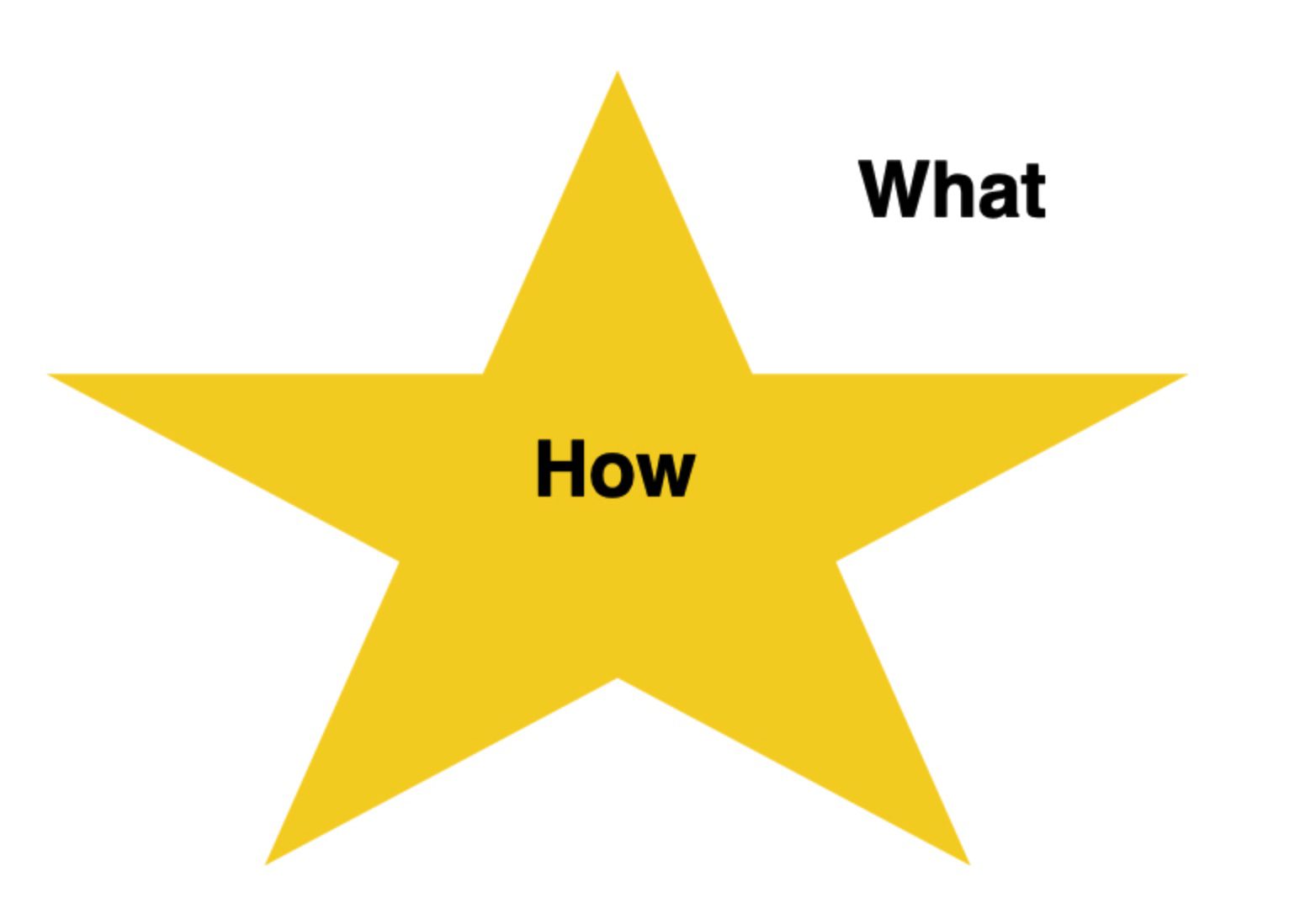
One of the most valuable and important terms you will meet as an educator is ”metacognition” – the ability to understand one’s learning process. We tell students WHAT they should learn, but rarely teach them HOW to learn. The secret is in the HOW and that’s the purpose of Learn Talks and having brief metacognitive conversations with your students. That puts them in a position to better cope with the stress and demands of learning and turns them into more self-sufficient learners who understand their learning process. The mini-lecture here describes more. Then follows an example of a Learn Talk.
You can talk to kids about their learning at a very early age. You’d be surprised at how well three-year olds can explain how they learn. This is one of my favorite interviews. It’s with Felix, ten-years old. Isn’t it remarkable how he can explain his learning? I truly believe in the importance of metacognition and how helpful it is for students to be aware of their learning process. Well, that’s what this course is al about, so sure I believe in the idea about having conversations about learning.
Del 4 av 10
Motivation
Motivation is a controversial and complicated topic. There are so many opinions about how to motivate students. Maybe they are already motivated – just for other things than you have to offer. This creates both a problem and an opportunity. If you understand the purpose of learning how to learn, then what they want to learn can be used as a vehicle for teaching the skills of learning. Of course, in the school, the curriculum determines what the students should or need to learn. We need to find a balance between HAVE to learn and WANT to learn. This mini-lecture discusses this important issue. You may not agree with me, but it is important to think about how we motivate for doing school work, and how to find what the students think is motivating.
Here’s the lecture, below. Then you will see one of the Learn Talk interviews.
This interview is with Moa, a high school student. She has something to say about motivation and I think this interview is representative of what I am trying to do with these Learn Talks that sometimes can be turned into Strength Talks.
Del 5 av 10
What is good teaching?
How would you define quality teaching? How would you define your approach to teaching? The video lecture below discusses three approaches to teaching – Telling, Motivating, and Processing. Each one has its advantages, potential, and challenges. Which mode of teaching leads to most Eureka Moments? Which form fits your personality, and which form works best for your students? Use all three, but understand the form you are using to increase the likelihood of deep learning and understanding.
The video on this subject is below.
Then watch the video with Grace who explains her learning process. Grace also has important messages to teachers and explains what she appreciates as a student.
Del 6 av 10
Learning – the basics
Lesson 6 is a short lecture on the three ingredients of the learning process – the psychological, physiological, and systematical. Not only do we, as educators, have to understand th learning process, but it is crucial to teach students how to learn. When you want to learn, believe that you can, can put yourself into a state of concentration and know how to learn and the best strategies to learn, well, then you are on your way. This is a good checklist for the class and for you as a teacher: How can I influence attitudes and motivation? How can I put the students in a focused state of mind? How can I explain how to learn the topic at hand?
Imagine if the students could do this as well – influence their attitudes, their psychological state or focus and understand strategies need to learn. That is the purpose of thinking in metacognitive terms – learning how to learn.
The lecture below explains more about the basics of learning. The lecture after is about in-depth learning.
Dylan had the basics down about the process of his learning. I think you’ll agree. Start to think about a couple of students or children that would be willing to have Learn Talks with you. Time to try it out!. The basic model should be clear by now.
- Establish rapport
- Ask about something they have learned and it is often good to start with something outside of school. Almost always the’ll come up with something. Remember it doesn’t have to be big. Actually tiny examples are sometimes better to work with and ask about.
- Listen and try to pick out some keywords or phrases that describe their HOW. Write them down and save them if you choose to make a Strength Star.
- Feed the keywords back and summarize what you’ve heard. Affirm their ability to learn and point out some of their strategies and strengths.
- Ask about something they would like to learn. Ask them about HOW and their strategies for doing that and maybe they will borrow from their first example. You could connect now to learning at school, but that is not necessary. Your role is to affirm their ability and give a boost, not necessarily to help them learn something they thing is hard or boring. That can happen, but that is a secondary result. You’re main option is to move towards self-efficacy, that feeling of being able to accomplish something when they want to, their confidence, in this case, of their ability to learn.
- Summarize again. You can also ask the student to briefly summarize.
- Thank them for the opportunity to talk about their learning.
Del 7 av 10
In-depth learning
One of the greatest challenges of teaching is knowing if the students understand the topic or not. How do we recognize understanding? What can we do to enhance understanding? How much does pedagogical methodology play a role in the learning process? How much is the teacher’s responsibility and how much is the student’s responsibility? What role should the parents play in all this? No, I do not address all these topics in the lecture for lesson 7, but it is important to understand that in-depth learning is more than just passing the test and the broader picture we can give students about the learning process the more the likelihood that they just don’t learn for the test or grade and then forget. Explore the world of deep learning.
This interview was done with Lara on her cell phone. Technologically it’s not good, but that’s the whole point. Technology is not the thing – it’s the content and the conversation. Lars knows a lot about her learning process and has high expectations. A brief Learn Talk is just fine and I do not suggest filming them. It’s a private exchange and private conversation. In these cases, I have permission, of course, and told both students and parents I was doing this for an online training program.
Del 8 av 10
Build on strengths
The higher goal and purpose of this course is to help educators move from a focus on weaknesses to a focus on strengths. This video gives a brief introduction to strength theory and explains more about what to look for. There are traditional strengths, things that school grade and appreciate. There are also non-traditional strengths, talents, skills, and personality traits that may not get graded in school, but can be the backbone of one’s career and life. We need to see, acknowledge and build even upon the non-traditional strengths of the student.
The lecture explains.
The final interview I show here is with Isa, obviously a good student and can plan her time. I suggest trying these interviews out, to begin with, with both students you think can verbalize and understand their process and a few you might feel will have difficulty with this and their schooling. Don’t worry if the student can’t verbalize and answer all your questions. The most important part of the whole idea is to be curious about their learning. That showing interest often does wonders and is the first step to more Eureka Moments.
Del 9 av 10
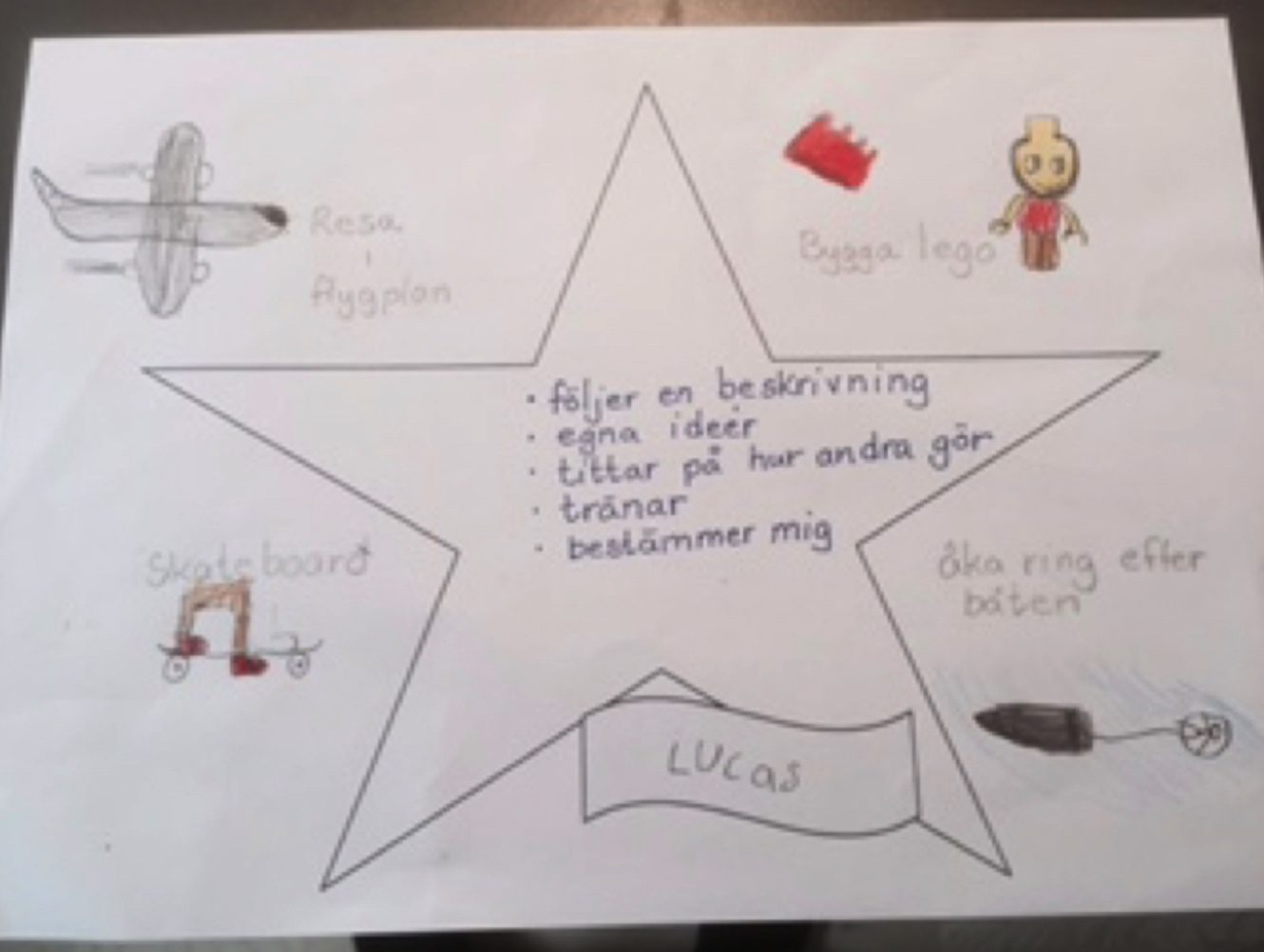
How to make a strength star
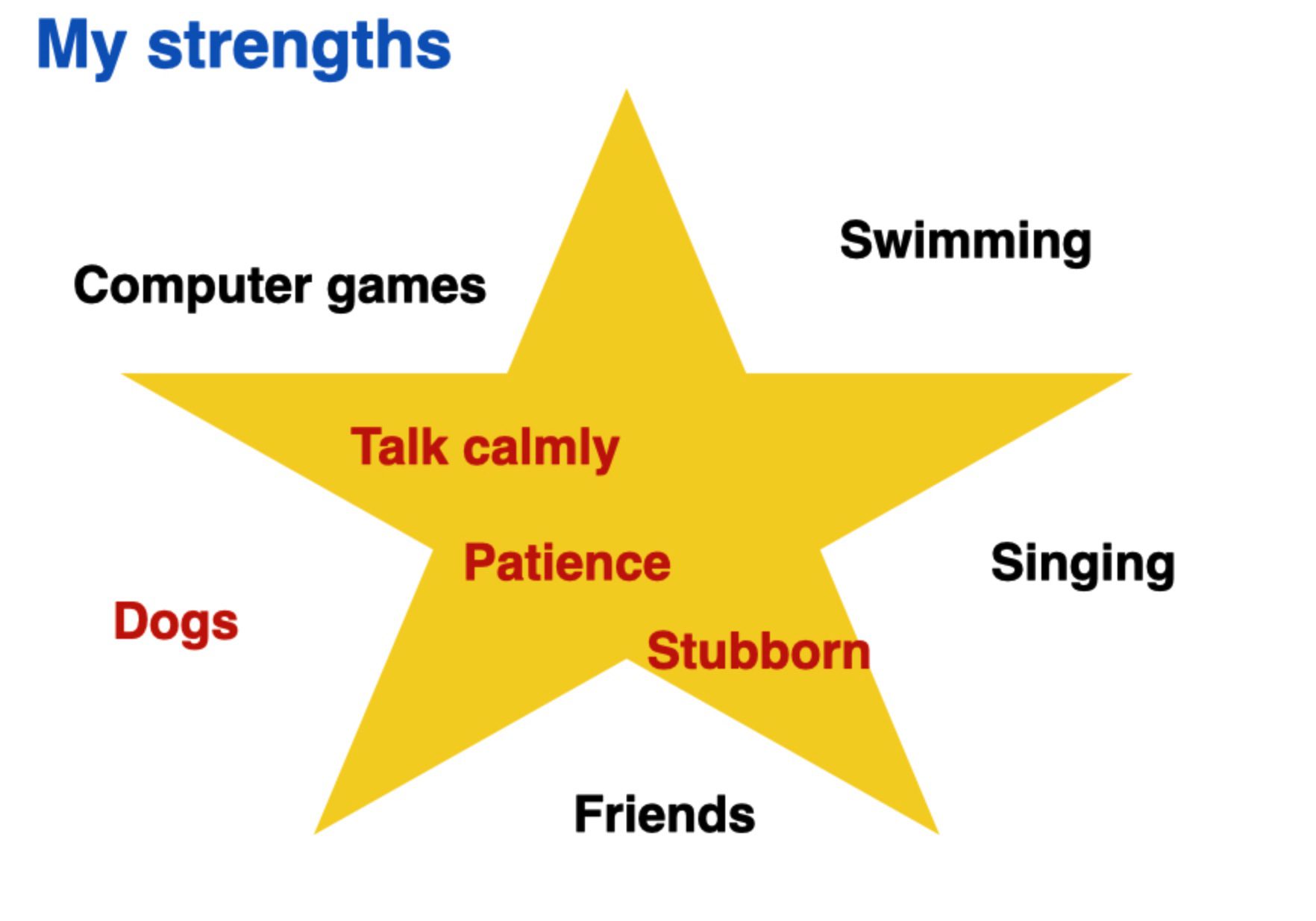
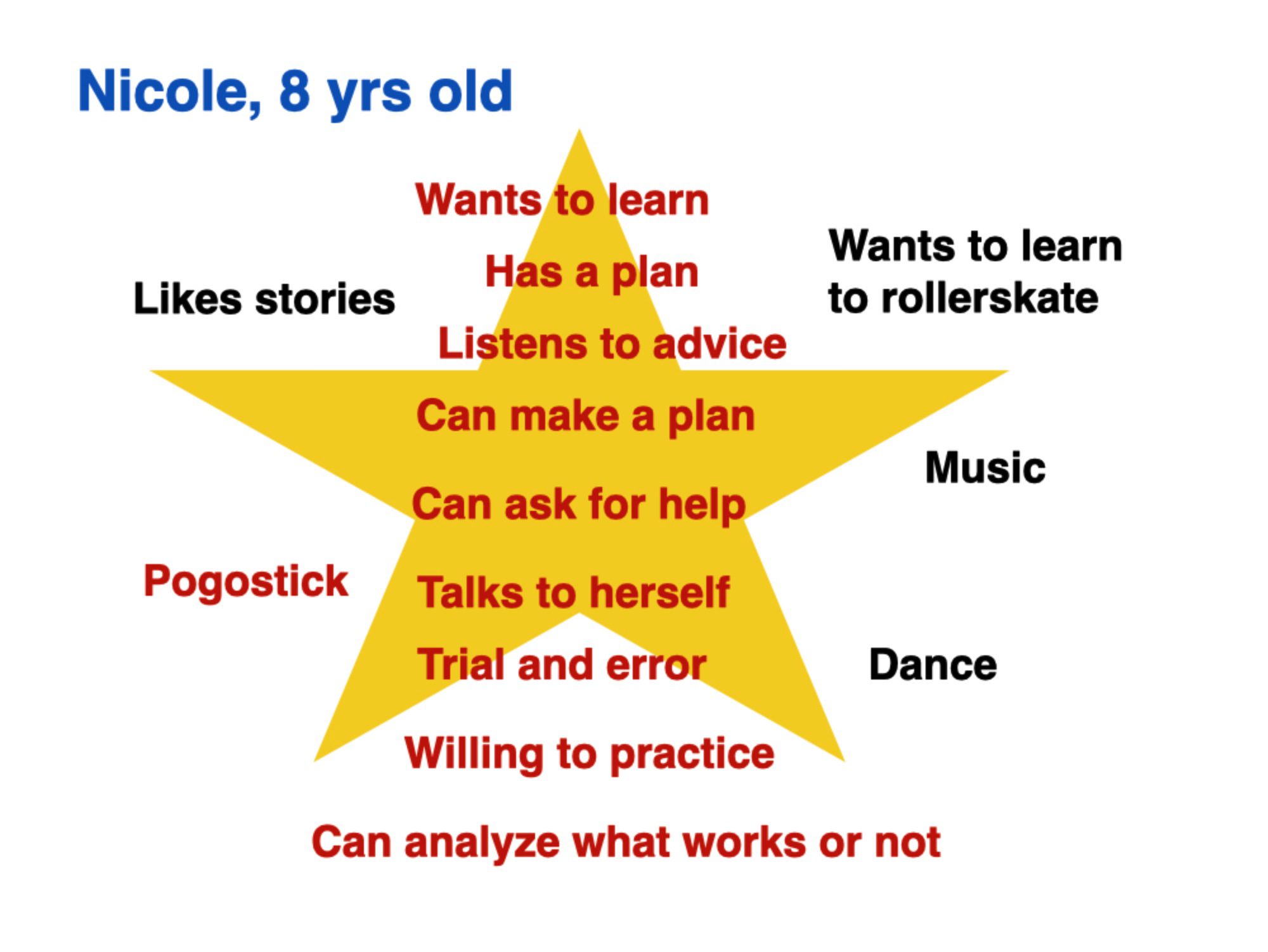
It’s time to explore a simply buy powerful way of making strengths and learning processes visible to the students, and in a teacher-parent talk, even visible to the parents. Start your parent talks by showing off the Strength Star you have done with the student. Do that first, then you can get into challenges ahead. The student will be better able to meet challenges head-on knowing that both the teacher and the parent have acknowledged and recognized strengths, learning patterns, successes, and efforts.
Try it out with family, friends, and a few students to get the hang of it. A suggestion is to a Strength Star with your students, once in the fall and once in the spring. You are not doing any type of diagnostic bout learning styles, preferences, or personality traits. This is only a picture of the present. Yet, looking back through a series of Strength Starts you may find some patterns, useful to you, the student, and the parent.
Go visual, not just verbal, with your feedback and strength finding. Watch the video that explains how to make a Strength Star.
Del 10 av 10
Thank you
Thanks so much for your participation in this course.
Learn more with these links:
Contact John Steinberg, E-mail
See steinberg.se And look up the Fortbildningsbibliotek and other information in English to find my online English courses.
John’s Swedish homepage: steinberg.se
John’s English books on Amazon
John’s LinkedIn English Empowerment Education page. Please connect!
John’s current books in Swedish, Gothia Kompetens
John’s older books in Swedish, Läromedia